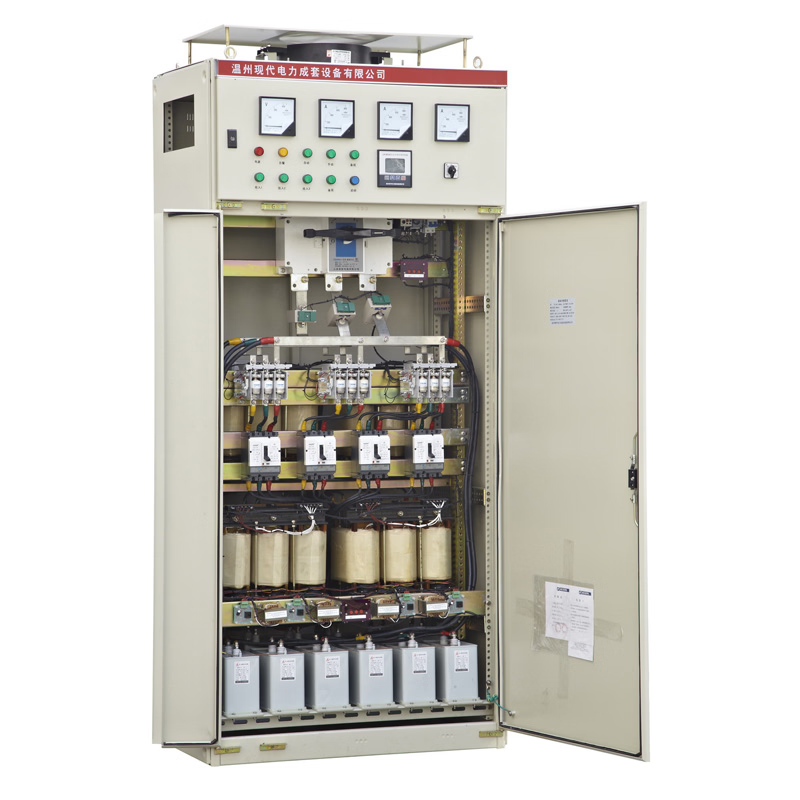
Power Factor Correction System in Gurgaon
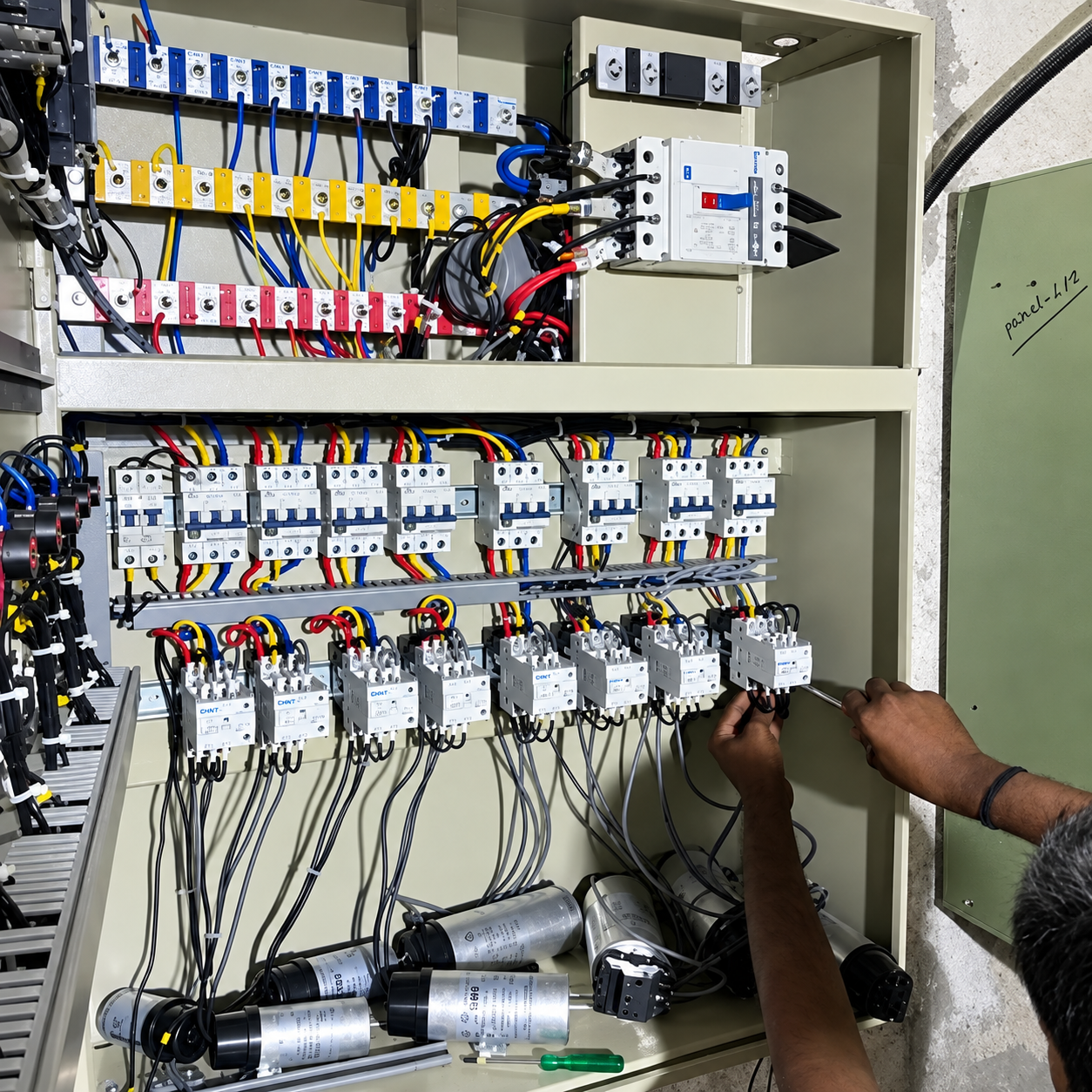
Electrical Efficiency for Gurgaon Facilities
Power Factor Correction System in Gurgaon planning for corporate offices with variable air-conditioning demand should begin with recorded operating data, not a generic panel size. The site survey can establish a dependable baseline by checking harmonic screening before selecting capacitor equipment before final equipment ratings and protection details are confirmed. Transparent Infra And Energy Solutions can discuss the findings and help identify a suitable next step for the site.
For automotive component workshops using induction motors, the installation review should confirm the relationship between non-linear loads and capacitor performance. A Power Factor Correction System in Gurgaon should be selected only after reviewing equipment ratings, protection coordination and the site’s actual load profile; this keeps the proposal relevant to day-to-day operation.
Why Gurgaon Businesses Need Measured Power Factor Correction
When assessing commercial towers with lifts and central cooling, the priority is to understand how reactive demand changes as equipment starts, stops or runs at partial load. The review should cover safe service access and clear identification of circuits, while accounting for both present demand and planned expansion, and record the observations for future maintenance.
Power Factor Correction System in Gurgaon planning for warehouses operating conveyor and sorting lines should begin with recorded operating data, not a generic panel size. The installation review should confirm transformer loading alongside the recorded demand curve so the recommended arrangement reflects real site conditions. Transparent Infra And Energy Solutions can discuss the findings and help identify a suitable next step for the site.
Request a Consultation ↗Load Assessment Before Choosing an Transparent Infra And Energy
For healthcare buildings with UPS-backed circuits, the site survey can establish a dependable baseline by checking commissioning readings recorded against the agreed target. A Power Factor Correction System in Gurgaon should be selected only after reviewing equipment ratings, protection coordination and the site’s actual load profile; this keeps the proposal relevant to day-to-day operation. To arrange a practical review, request a site assessment.
- Log demand at different operating intervals
- Compare reactive power with active load
- Inspect APFC controller settings
- Verify capacitor stage ratings
- Check capacitor-duty switching components
- Review harmonic levels before capacitor selection
- Confirm panel ventilation and working clearance
When assessing data centres with mixed electronic loads, the priority is to understand how reactive demand changes as equipment starts, stops or runs at partial load. The review should cover the effect of seasonal cooling demand on compensation, to support stable correction as equipment schedules change, and record the observations for future maintenance.
Power Quality Review for Mixed Electrical Loads
Power Factor Correction System in Gurgaon planning for hotel kitchens and laundry equipment rooms should begin with recorded operating data, not a generic panel size. The site survey can establish a dependable baseline by checking panel ventilation, access clearances and isolation points before agreeing on the next practical steps for the installation. Transparent Infra And Energy Solutions can discuss the findings and help identify a suitable next step for the site.
For packaging units with frequent machine changes, the installation review should confirm future load additions and spare capacity in the panel. A Power Factor Correction System in Gurgaon should be selected only after reviewing equipment ratings, protection coordination and the site’s actual load profile; this keeps the proposal relevant to day-to-day operation.
When assessing printing facilities with high-starting-current machinery, the priority is to understand how reactive demand changes as equipment starts, stops or runs at partial load. The review should cover changes in load distribution across multiple feeders, before deciding whether an existing panel needs modification, and record the observations for future maintenance.
Power Factor Correction System in Gurgaon planning for educational campuses with seasonal occupancy should begin with recorded operating data, not a generic panel size. The installation review should confirm weekday, weekend and shift-wise consumption patterns so the electrical team can distinguish persistent issues from short peaks. Transparent Infra And Energy Solutions can discuss the findings and help identify a suitable next step for the site.
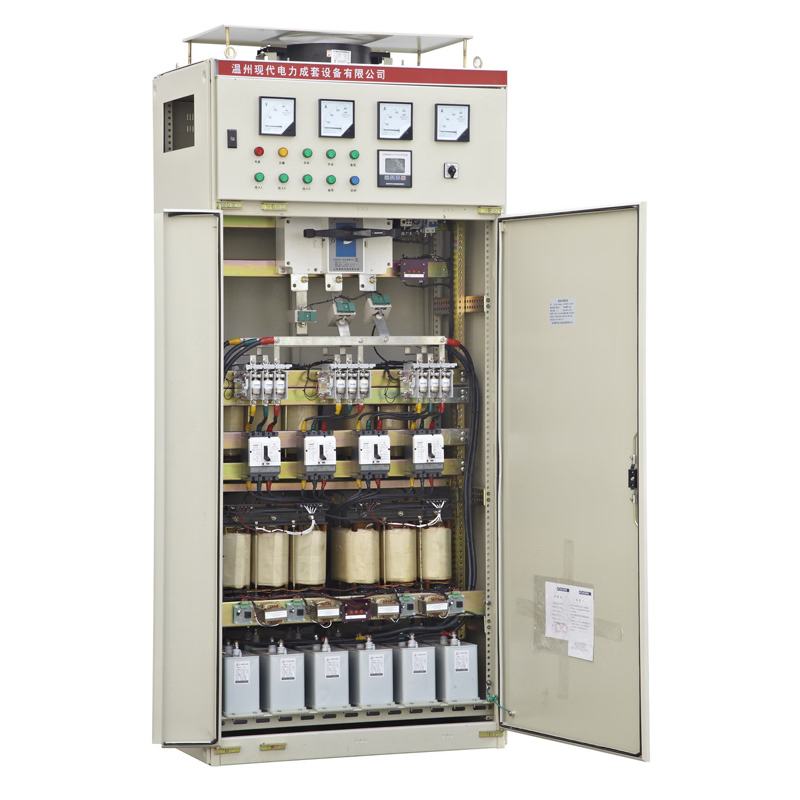
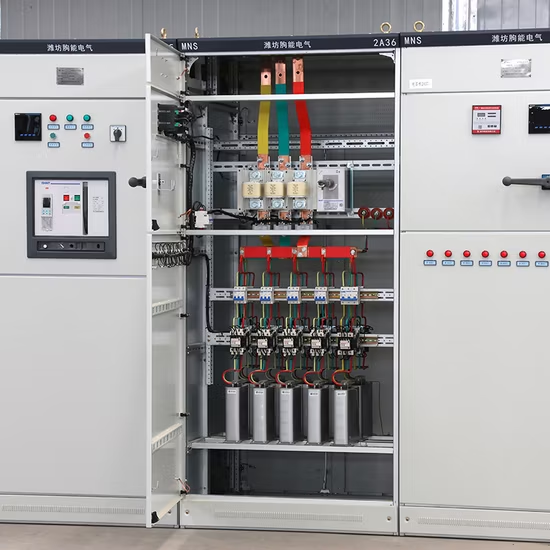
Power Factor Correction for Commercial and Industrial Sites
For cold-storage rooms with compressor cycles, the site survey can establish a dependable baseline by checking stage-wise operation under light, normal and peak demand. A Power Factor Correction System in Gurgaon should be selected only after reviewing equipment ratings, protection coordination and the site’s actual load profile; this keeps the proposal relevant to day-to-day operation.
When assessing shopping complexes with changing tenant loads, the priority is to understand how reactive demand changes as equipment starts, stops or runs at partial load. The review should cover interval demand logging and a review of reactive-power trends, so maintenance priorities can be set from recorded evidence, and record the observations for future maintenance.
Power Factor Correction System in Gurgaon planning for laboratories with sensitive electronic instruments should begin with recorded operating data, not a generic panel size. The site survey can establish a dependable baseline by checking cable ratings, busbar capacity and protective settings while accounting for both present demand and planned expansion. Transparent Infra And Energy Solutions can discuss the findings and help identify a suitable next step for the site.
For logistics hubs using chargers and material handling, the installation review should confirm site operating hours matched to inspection intervals. A Power Factor Correction System in Gurgaon should be selected only after reviewing equipment ratings, protection coordination and the site’s actual load profile; this keeps the proposal relevant to day-to-day operation.
When assessing food production units with washdown schedules, the priority is to understand how reactive demand changes as equipment starts, stops or runs at partial load. The review should cover APFC controller response, stage timing and alarm history, while keeping commissioning checks aligned with operating requirements, and record the observations for future maintenance.
Safe Switching and Suitable Capacitor Selection
- Check coordination of protective devices
- Compare normal-day and peak-shift readings
- Record transformer loading at the main incomer
- Inspect busbar and cable ratings
- Confirm safe isolation and access arrangements
- Save commissioning readings for comparison
- Review controller alarms and stage history
- Plan periodic capacitor-bank inspections
- Recheck performance after equipment additions
Keep Compensation Matched to Real Demand
Power Factor Correction System in Gurgaon planning for metal fabrication floors with welding equipment should begin with recorded operating data, not a generic panel size. The installation review should confirm load changes during motor starting and equipment shutdown to support stable correction as equipment schedules change. Transparent Infra And Energy Solutions can discuss the findings and help identify a suitable next step for the site.
For pharmaceutical production rooms with controlled environments, the site survey can establish a dependable baseline by checking measured reactive demand rather than connected-load estimates. A Power Factor Correction System in Gurgaon should be selected only after reviewing equipment ratings, protection coordination and the site’s actual load profile; this keeps the proposal relevant to day-to-day operation.
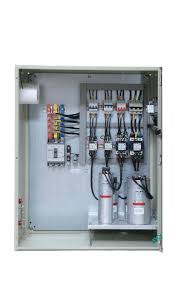
Correction Options for Different Operating Schedules
Engineering Decisions Based on Recorded Readings
When assessing showrooms with large HVAC and lighting loads, the priority is to understand how reactive demand changes as equipment starts, stops or runs at partial load. The review should cover harmonic screening before selecting capacitor equipment, before final equipment ratings and protection details are confirmed, and record the observations for future maintenance.
Power Factor Correction System in Gurgaon planning for plastic processing units using heaters and drives should begin with recorded operating data, not a generic panel size. The installation review should confirm the relationship between non-linear loads and capacitor performance so maintenance priorities can be set from recorded evidence. Transparent Infra And Energy Solutions can discuss the findings and help identify a suitable next step for the site.
For distribution centres with extended operating hours, the site survey can establish a dependable baseline by checking safe service access and clear identification of circuits. A Power Factor Correction System in Gurgaon should be selected only after reviewing equipment ratings, protection coordination and the site’s actual load profile; this keeps the proposal relevant to day-to-day operation.
When assessing office fit-outs with phased electrical upgrades, the priority is to understand how reactive demand changes as equipment starts, stops or runs at partial load. The review should cover transformer loading alongside the recorded demand curve, so the recommended arrangement reflects real site conditions, and record the observations for future maintenance.
Power Factor Correction System in Gurgaon planning for service centres with compressor and lift loads should begin with recorded operating data, not a generic panel size. The site survey can establish a dependable baseline by checking commissioning readings recorded against the agreed target while keeping commissioning checks aligned with operating requirements. Transparent Infra And Energy Solutions can discuss the findings and help identify a suitable next step for the site.
For assembly floors running multiple shifts, the installation review should confirm the effect of seasonal cooling demand on compensation. A Power Factor Correction System in Gurgaon should be selected only after reviewing equipment ratings, protection coordination and the site’s actual load profile; this keeps the proposal relevant to day-to-day operation.
When assessing cinema and entertainment buildings with peak-time demand, the priority is to understand how reactive demand changes as equipment starts, stops or runs at partial load. The review should cover panel ventilation, access clearances and isolation points, before agreeing on the next practical steps for the installation, and record the observations for future maintenance.
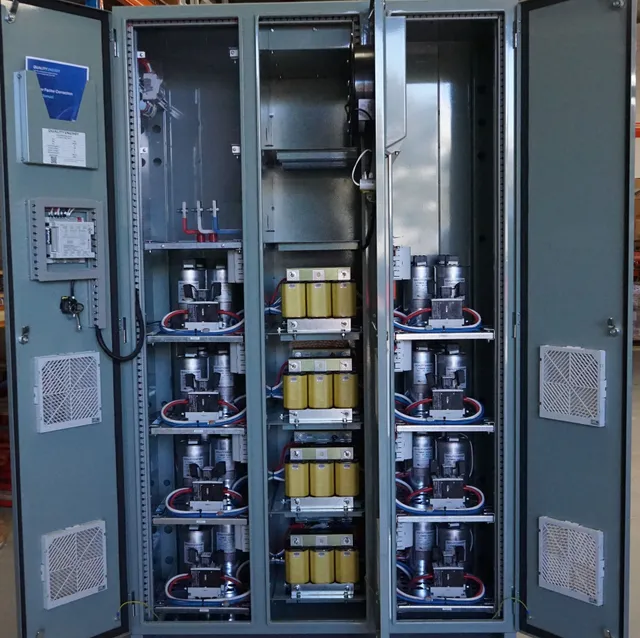
Greater Noida Electrical Compensation for Business Sites
Power Factor Correction System in Gurgaon planning for residential societies with shared pumps and lifts should begin with recorded operating data, not a generic panel size. The installation review should confirm future load additions and spare capacity in the panel to give the facility team a useful baseline for future comparisons. Transparent Infra And Energy Solutions can discuss the findings and help identify a suitable next step for the site.
For retail stores with refrigeration and cooling systems, the site survey can establish a dependable baseline by checking changes in load distribution across multiple feeders. A Power Factor Correction System in Gurgaon should be selected only after reviewing equipment ratings, protection coordination and the site’s actual load profile; this keeps the proposal relevant to day-to-day operation.
When assessing engineering plants with mixed-speed motors, the priority is to understand how reactive demand changes as equipment starts, stops or runs at partial load. The review should cover weekday, weekend and shift-wise consumption patterns, so the electrical team can distinguish persistent issues from short peaks, and record the observations for future maintenance.
Power Factor Correction System in Gurgaon planning for telecom rooms using rectifiers and UPS units should begin with recorded operating data, not a generic panel size. The site survey can establish a dependable baseline by checking stage-wise operation under light, normal and peak demand before final equipment ratings and protection details are confirmed. Transparent Infra And Energy Solutions can discuss the findings and help identify a suitable next step for the site.
For vehicle service facilities with air compressors, the installation review should confirm interval demand logging and a review of reactive-power trends. A Power Factor Correction System in Gurgaon should be selected only after reviewing equipment ratings, protection coordination and the site’s actual load profile; this keeps the proposal relevant to day-to-day operation.
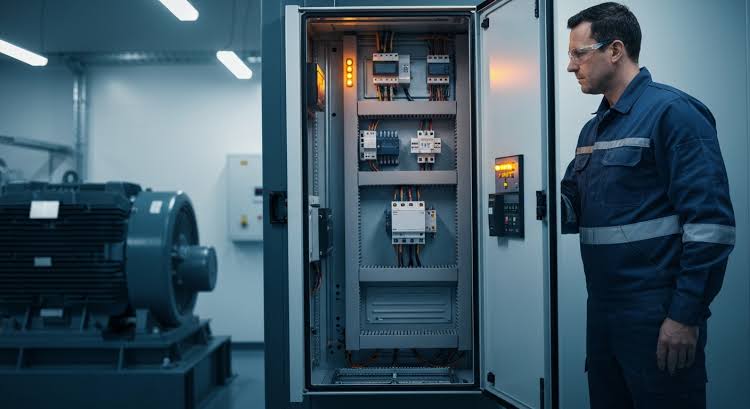
Automatic Power Factor Control for Variable Loads
When assessing research facilities with tightly managed power quality, the priority is to understand how reactive demand changes as equipment starts, stops or runs at partial load. The review should cover cable ratings, busbar capacity and protective settings, while accounting for both present demand and planned expansion, and record the observations for future maintenance.
Power Factor Correction System in Gurgaon planning for commercial kitchens with exhaust and refrigeration should begin with recorded operating data, not a generic panel size. The installation review should confirm site operating hours matched to inspection intervals so the recommended arrangement reflects real site conditions. Transparent Infra And Energy Solutions can discuss the findings and help identify a suitable next step for the site.
For manufacturing sites with weekend production, the site survey can establish a dependable baseline by checking APFC controller response, stage timing and alarm history. A Power Factor Correction System in Gurgaon should be selected only after reviewing equipment ratings, protection coordination and the site’s actual load profile; this keeps the proposal relevant to day-to-day operation.
When assessing buildings with aging capacitor banks, the priority is to understand how reactive demand changes as equipment starts, stops or runs at partial load. The review should cover load changes during motor starting and equipment shutdown, to support stable correction as equipment schedules change, and record the observations for future maintenance.
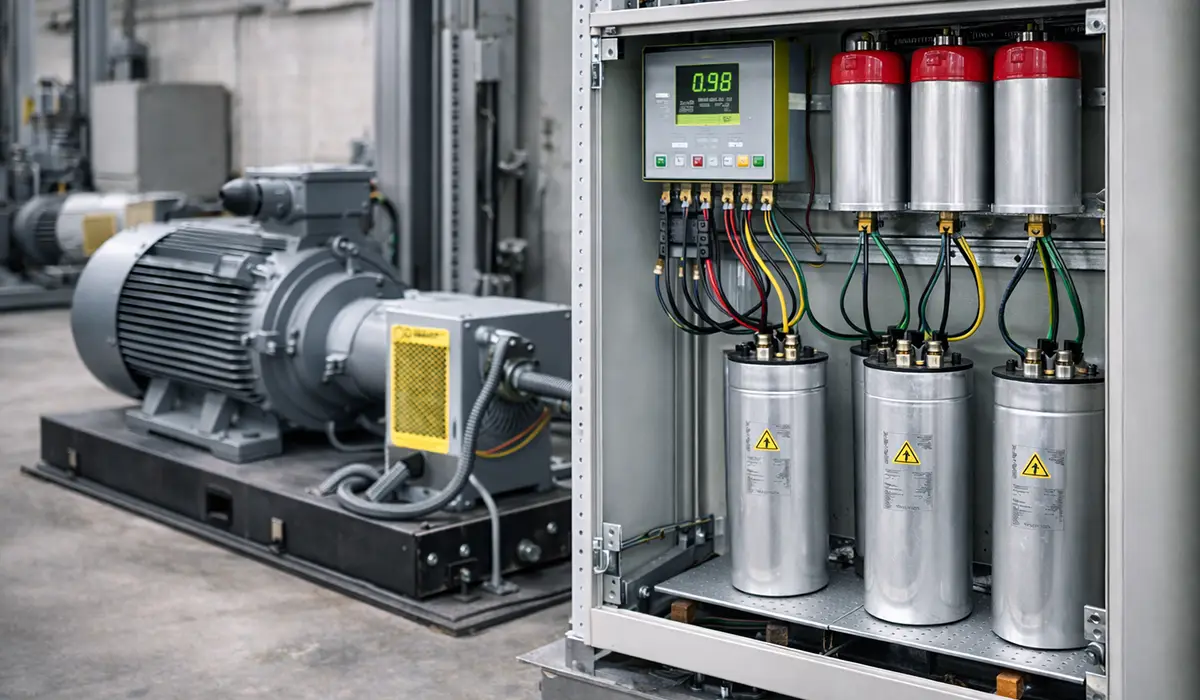
Capacitor Bank Selection and Protection
Power Factor Correction System in Gurgaon planning for sites expanding transformer-connected loads should begin with recorded operating data, not a generic panel size. The site survey can establish a dependable baseline by checking measured reactive demand rather than connected-load estimates before agreeing on the next practical steps for the installation. Transparent Infra And Energy Solutions can discuss the findings and help identify a suitable next step for the site.
For facilities using variable-frequency drives, the installation review should confirm capacitor condition, fuse coordination and switching duty. A Power Factor Correction System in Gurgaon should be selected only after reviewing equipment ratings, protection coordination and the site’s actual load profile; this keeps the proposal relevant to day-to-day operation.
When assessing units reporting controller alarms, the priority is to understand how reactive demand changes as equipment starts, stops or runs at partial load. The review should cover maintenance records compared with present operating conditions, before deciding whether an existing panel needs modification, and record the observations for future maintenance.
Power Factor Correction System in Gurgaon planning for premises with limited electrical-room clearance should begin with recorded operating data, not a generic panel size. The installation review should confirm the condition of contactors designed for capacitor switching so the electrical team can distinguish persistent issues from short peaks. Transparent Infra And Energy Solutions can discuss the findings and help identify a suitable next step for the site.
For properties with long cable runs and distributed panels, the site survey can establish a dependable baseline by checking harmonic screening before selecting capacitor equipment. A Power Factor Correction System in Gurgaon should be selected only after reviewing equipment ratings, protection coordination and the site’s actual load profile; this keeps the proposal relevant to day-to-day operation.

Electrical Efficiency Planning for Expansion
When assessing plants with high reactive demand at motor start-up, the priority is to understand how reactive demand changes as equipment starts, stops or runs at partial load. The review should cover the relationship between non-linear loads and capacitor performance, so maintenance priorities can be set from recorded evidence, and record the observations for future maintenance.
Power Factor Correction System in Gurgaon planning for campuses with separate blocks and feeder panels should begin with recorded operating data, not a generic panel size. The site survey can establish a dependable baseline by checking safe service access and clear identification of circuits while accounting for both present demand and planned expansion. Transparent Infra And Energy Solutions can discuss the findings and help identify a suitable next step for the site.
For facilities changing shift timings, the installation review should confirm transformer loading alongside the recorded demand curve. A Power Factor Correction System in Gurgaon should be selected only after reviewing equipment ratings, protection coordination and the site’s actual load profile; this keeps the proposal relevant to day-to-day operation.
When assessing buildings with power-factor readings that fluctuate, the priority is to understand how reactive demand changes as equipment starts, stops or runs at partial load. The review should cover commissioning readings recorded against the agreed target, while keeping commissioning checks aligned with operating requirements, and record the observations for future maintenance.
Power Factor Correction System in Gurgaon planning for sites planning a new utility connection should begin with recorded operating data, not a generic panel size. The installation review should confirm the effect of seasonal cooling demand on compensation to support stable correction as equipment schedules change. Transparent Infra And Energy Solutions can discuss the findings and help identify a suitable next step for the site.
Coordinating Electrical Work Across Gurgaon
For plants reviewing transformer utilisation, the site survey can establish a dependable baseline by checking panel ventilation, access clearances and isolation points. A Power Factor Correction System in Gurgaon should be selected only after reviewing equipment ratings, protection coordination and the site’s actual load profile; this keeps the proposal relevant to day-to-day operation.
When assessing commercial premises with uneven weekday demand, the priority is to understand how reactive demand changes as equipment starts, stops or runs at partial load. The review should cover future load additions and spare capacity in the panel, to give the facility team a useful baseline for future comparisons, and record the observations for future maintenance.
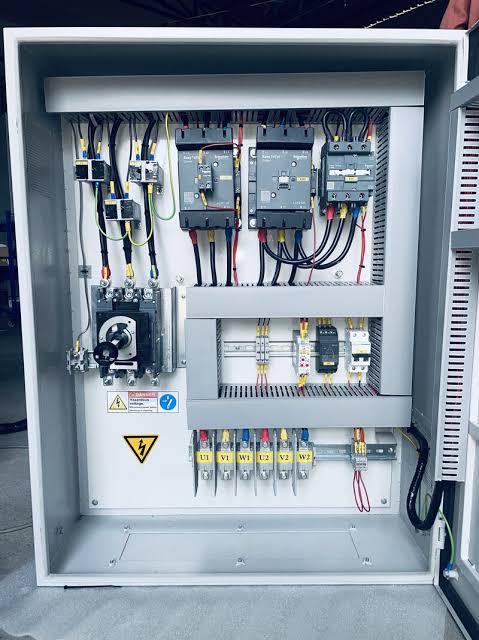
Panel Design for Consistent Operation
Power Factor Correction System in Gurgaon planning for units requiring maintenance documentation should begin with recorded operating data, not a generic panel size. The site survey can establish a dependable baseline by checking changes in load distribution across multiple feeders before deciding whether an existing panel needs modification. Transparent Infra And Energy Solutions can discuss the findings and help identify a suitable next step for the site.
For facilities with repeated capacitor-stage switching, the installation review should confirm weekday, weekend and shift-wise consumption patterns. A Power Factor Correction System in Gurgaon should be selected only after reviewing equipment ratings, protection coordination and the site’s actual load profile; this keeps the proposal relevant to day-to-day operation.
When assessing buildings with new HVAC equipment, the priority is to understand how reactive demand changes as equipment starts, stops or runs at partial load. The review should cover stage-wise operation under light, normal and peak demand, before final equipment ratings and protection details are confirmed, and record the observations for future maintenance.
Power Factor Correction System in Gurgaon planning for production lines with intermittent heavy loads should begin with recorded operating data, not a generic panel size. The installation review should confirm interval demand logging and a review of reactive-power trends so maintenance priorities can be set from recorded evidence. Transparent Infra And Energy Solutions can discuss the findings and help identify a suitable next step for the site.
For corporate offices with variable air-conditioning demand, the site survey can establish a dependable baseline by checking cable ratings, busbar capacity and protective settings. A power-factor correction planning should be selected only after reviewing equipment ratings, protection coordination and the site’s actual load profile; this keeps the proposal relevant to day-to-day operation.
Inspection of Existing Compensation Equipment
When assessing automotive component workshops using induction motors, the priority is to understand how reactive demand changes as equipment starts, stops or runs at partial load. The review should cover site operating hours matched to inspection intervals, so the recommended arrangement reflects real site conditions, and record the observations for future maintenance.
power-factor correction planning planning for commercial towers with lifts and central cooling should begin with recorded operating data, not a generic panel size. The site survey can establish a dependable baseline by checking APFC controller response, stage timing and alarm history while keeping commissioning checks aligned with operating requirements. Transparent Infra And Energy Solutions can discuss the findings and help identify a suitable next step for the site.
For warehouses operating conveyor and sorting lines, the installation review should confirm load changes during motor starting and equipment shutdown. A power-factor correction planning should be selected only after reviewing equipment ratings, protection coordination and the site’s actual load profile; this keeps the proposal relevant to day-to-day operation.
When assessing healthcare buildings with UPS-backed circuits, the priority is to understand how reactive demand changes as equipment starts, stops or runs at partial load. The review should cover measured reactive demand rather than connected-load estimates, before agreeing on the next practical steps for the installation, and record the observations for future maintenance.
power-factor correction planning planning for data centres with mixed electronic loads should begin with recorded operating data, not a generic panel size. The installation review should confirm capacitor condition, fuse coordination and switching duty to give the facility team a useful baseline for future comparisons. Transparent Infra And Energy Solutions can discuss the findings and help identify a suitable next step for the site.
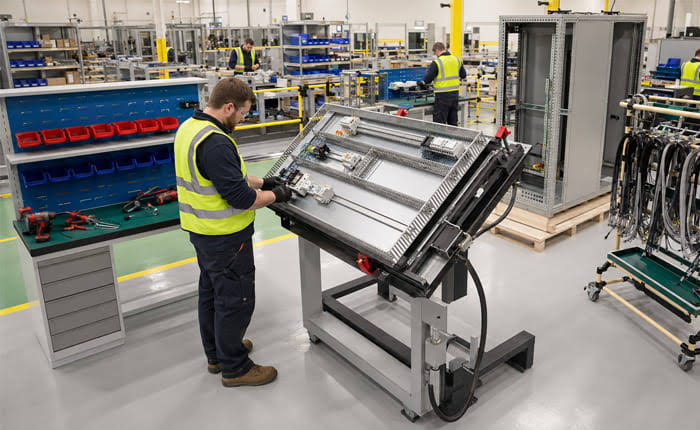
Planning for Changing Demand
For hotel kitchens and laundry equipment rooms, the site survey can establish a dependable baseline by checking maintenance records compared with present operating conditions. A power-factor correction planning should be selected only after reviewing equipment ratings, protection coordination and the site’s actual load profile; this keeps the proposal relevant to day-to-day operation.
When assessing packaging units with frequent machine changes, the priority is to understand how reactive demand changes as equipment starts, stops or runs at partial load. The review should cover the condition of contactors designed for capacitor switching, so the electrical team can distinguish persistent issues from short peaks, and record the observations for future maintenance.
power-factor correction planning planning for printing facilities with high-starting-current machinery should begin with recorded operating data, not a generic panel size. The site survey can establish a dependable baseline by checking harmonic screening before selecting capacitor equipment before final equipment ratings and protection details are confirmed. Transparent Infra And Energy Solutions can discuss the findings and help identify a suitable next step for the site.
For educational campuses with seasonal occupancy, the installation review should confirm the relationship between non-linear loads and capacitor performance. A power-factor correction planning should be selected only after reviewing equipment ratings, protection coordination and the site’s actual load profile; this keeps the proposal relevant to day-to-day operation.
When assessing cold-storage rooms with compressor cycles, the priority is to understand how reactive demand changes as equipment starts, stops or runs at partial load. The review should cover safe service access and clear identification of circuits, while accounting for both present demand and planned expansion, and record the observations for future maintenance.
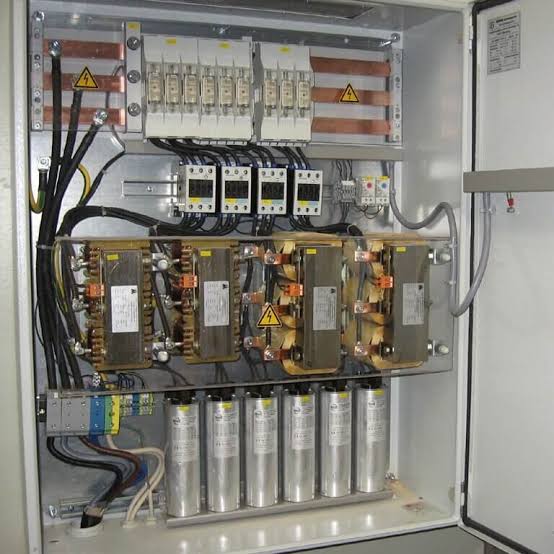
Service Coordination for Facility Teams
power-factor correction planning planning for shopping complexes with changing tenant loads should begin with recorded operating data, not a generic panel size. The installation review should confirm transformer loading alongside the recorded demand curve so the recommended arrangement reflects real site conditions. Transparent Infra And Energy Solutions can discuss the findings and help identify a suitable next step for the site.
For laboratories with sensitive electronic instruments, the site survey can establish a dependable baseline by checking commissioning readings recorded against the agreed target. A power-factor correction planning should be selected only after reviewing equipment ratings, protection coordination and the site’s actual load profile; this keeps the proposal relevant to day-to-day operation.
When assessing logistics hubs using chargers and material handling, the priority is to understand how reactive demand changes as equipment starts, stops or runs at partial load. The review should cover the effect of seasonal cooling demand on compensation, to support stable correction as equipment schedules change, and record the observations for future maintenance.
power-factor correction planning planning for food production units with washdown schedules should begin with recorded operating data, not a generic panel size. The site survey can establish a dependable baseline by checking panel ventilation, access clearances and isolation points before agreeing on the next practical steps for the installation. Transparent Infra And Energy Solutions can discuss the findings and help identify a suitable next step for the site.
For metal fabrication floors with welding equipment, the installation review should confirm future load additions and spare capacity in the panel. A power-factor correction planning should be selected only after reviewing equipment ratings, protection coordination and the site’s actual load profile; this keeps the proposal relevant to day-to-day operation.
Understand Reactive Demand Before Panel Sizing
When assessing pharmaceutical production rooms with controlled environments, the priority is to understand how reactive demand changes as equipment starts, stops or runs at partial load. The review should cover changes in load distribution across multiple feeders, before deciding whether an existing panel needs modification, and record the observations for future maintenance.
power-factor correction planning planning for multi-tenant business parks with separate feeders should begin with recorded operating data, not a generic panel size. The installation review should confirm weekday, weekend and shift-wise consumption patterns so the electrical team can distinguish persistent issues from short peaks. Transparent Infra And Energy Solutions can discuss the findings and help identify a suitable next step for the site.
For commercial laundries with motor-driven equipment, the site survey can establish a dependable baseline by checking stage-wise operation under light, normal and peak demand. A power-factor correction planning should be selected only after reviewing equipment ratings, protection coordination and the site’s actual load profile; this keeps the proposal relevant to day-to-day operation.
Facility Load Review
When assessing industrial estates adding new production lines, the priority is to understand how reactive demand changes as equipment starts, stops or runs at partial load. The review should cover interval demand logging and a review of reactive-power trends, so maintenance priorities can be set from recorded evidence, and record the observations for future maintenance.
power-factor correction planning planning for showrooms with large HVAC and lighting loads should begin with recorded operating data, not a generic panel size. The site survey can establish a dependable baseline by checking cable ratings, busbar capacity and protective settings while accounting for both present demand and planned expansion. Transparent Infra And Energy Solutions can discuss the findings and help identify a suitable next step for the site.
Transparent Infra And Energy Assessment
For plastic processing units using heaters and drives, the installation review should confirm site operating hours matched to inspection intervals. A power-factor correction planning should be selected only after reviewing equipment ratings, protection coordination and the site’s actual load profile; this keeps the proposal relevant to day-to-day operation.
When assessing distribution centres with extended operating hours, the priority is to understand how reactive demand changes as equipment starts, stops or runs at partial load. The review should cover APFC controller response, stage timing and alarm history, while keeping commissioning checks aligned with operating requirements, and record the observations for future maintenance.
Capacitor Bank Inspection
power-factor correction planning planning for office fit-outs with phased electrical upgrades should begin with recorded operating data, not a generic panel size. The installation review should confirm load changes during motor starting and equipment shutdown to support stable correction as equipment schedules change. Transparent Infra And Energy Solutions can discuss the findings and help identify a suitable next step for the site.
For service centres with compressor and lift loads, the site survey can establish a dependable baseline by checking measured reactive demand rather than connected-load estimates. A power-factor correction planning should be selected only after reviewing equipment ratings, protection coordination and the site’s actual load profile; this keeps the proposal relevant to day-to-day operation.
Reviewing Distortion and Voltage Behaviour
When assessing assembly floors running multiple shifts, the priority is to understand how reactive demand changes as equipment starts, stops or runs at partial load. The review should cover capacitor condition, fuse coordination and switching duty, to give the facility team a useful baseline for future comparisons, and record the observations for future maintenance.
power-factor correction planning planning for cinema and entertainment buildings with peak-time demand should begin with recorded operating data, not a generic panel size. The site survey can establish a dependable baseline by checking maintenance records compared with present operating conditions before deciding whether an existing panel needs modification. Transparent Infra And Energy Solutions can discuss the findings and help identify a suitable next step for the site.
Installation Planning
For residential societies with shared pumps and lifts, the installation review should confirm the condition of contactors designed for capacitor switching. A power-factor correction planning should be selected only after reviewing equipment ratings, protection coordination and the site’s actual load profile; this keeps the proposal relevant to day-to-day operation.
When assessing retail stores with refrigeration and cooling systems, the priority is to understand how reactive demand changes as equipment starts, stops or runs at partial load. The review should cover harmonic screening before selecting capacitor equipment, before final equipment ratings and protection details are confirmed, and record the observations for future maintenance.
Maintenance Scheduling
power-factor correction planning planning for engineering plants with mixed-speed motors should begin with recorded operating data, not a generic panel size. The installation review should confirm the relationship between non-linear loads and capacitor performance so maintenance priorities can be set from recorded evidence. Transparent Infra And Energy Solutions can discuss the findings and help identify a suitable next step for the site.
For telecom rooms using rectifiers and UPS units, the site survey can establish a dependable baseline by checking safe service access and clear identification of circuits. A power-factor correction planning should be selected only after reviewing equipment ratings, protection coordination and the site’s actual load profile; this keeps the proposal relevant to day-to-day operation.
Electrical Safety Check
When assessing vehicle service facilities with air compressors, the priority is to understand how reactive demand changes as equipment starts, stops or runs at partial load. The review should cover transformer loading alongside the recorded demand curve, so the recommended arrangement reflects real site conditions, and record the observations for future maintenance.
power-factor correction planning planning for research facilities with tightly managed power quality should begin with recorded operating data, not a generic panel size. The site survey can establish a dependable baseline by checking commissioning readings recorded against the agreed target while keeping commissioning checks aligned with operating requirements. Transparent Infra And Energy Solutions can discuss the findings and help identify a suitable next step for the site.
Performance Follow-Up
For commercial kitchens with exhaust and refrigeration, the installation review should confirm the effect of seasonal cooling demand on compensation. A power-factor correction planning should be selected only after reviewing equipment ratings, protection coordination and the site’s actual load profile; this keeps the proposal relevant to day-to-day operation.
When assessing manufacturing sites with weekend production, the priority is to understand how reactive demand changes as equipment starts, stops or runs at partial load. The review should cover panel ventilation, access clearances and isolation points, before agreeing on the next practical steps for the installation, and record the observations for future maintenance.
Maintenance Planning for Electrical Rooms
power-factor correction planning planning for buildings with aging capacitor banks should begin with recorded operating data, not a generic panel size. The installation review should confirm future load additions and spare capacity in the panel to give the facility team a useful baseline for future comparisons. Transparent Infra And Energy Solutions can discuss the findings and help identify a suitable next step for the site.
For sites expanding transformer-connected loads, the site survey can establish a dependable baseline by checking changes in load distribution across multiple feeders. A power-factor correction planning should be selected only after reviewing equipment ratings, protection coordination and the site’s actual load profile; this keeps the proposal relevant to day-to-day operation.
When assessing facilities using variable-frequency drives, the priority is to understand how reactive demand changes as equipment starts, stops or runs at partial load. The review should cover weekday, weekend and shift-wise consumption patterns, so the electrical team can distinguish persistent issues from short peaks, and record the observations for future maintenance.
power-factor correction planning planning for units reporting controller alarms should begin with recorded operating data, not a generic panel size. The site survey can establish a dependable baseline by checking stage-wise operation under light, normal and peak demand before final equipment ratings and protection details are confirmed. Transparent Infra And Energy Solutions can discuss the findings and help identify a suitable next step for the site.
For premises with limited electrical-room clearance, the installation review should confirm interval demand logging and a review of reactive-power trends. A power-factor correction planning should be selected only after reviewing equipment ratings, protection coordination and the site’s actual load profile; this keeps the proposal relevant to day-to-day operation.
When assessing properties with long cable runs and distributed panels, the priority is to understand how reactive demand changes as equipment starts, stops or runs at partial load. The review should cover cable ratings, busbar capacity and protective settings, while accounting for both present demand and planned expansion, and record the observations for future maintenance.
power-factor correction planning planning for plants with high reactive demand at motor start-up should begin with recorded operating data, not a generic panel size. The installation review should confirm site operating hours matched to inspection intervals so the recommended arrangement reflects real site conditions. Transparent Infra And Energy Solutions can discuss the findings and help identify a suitable next step for the site.
For campuses with separate blocks and feeder panels, the site survey can establish a dependable baseline by checking APFC controller response, stage timing and alarm history. A power-factor correction planning should be selected only after reviewing equipment ratings, protection coordination and the site’s actual load profile; this keeps the proposal relevant to day-to-day operation.
When assessing facilities changing shift timings, the priority is to understand how reactive demand changes as equipment starts, stops or runs at partial load. The review should cover load changes during motor starting and equipment shutdown, to support stable correction as equipment schedules change, and record the observations for future maintenance.
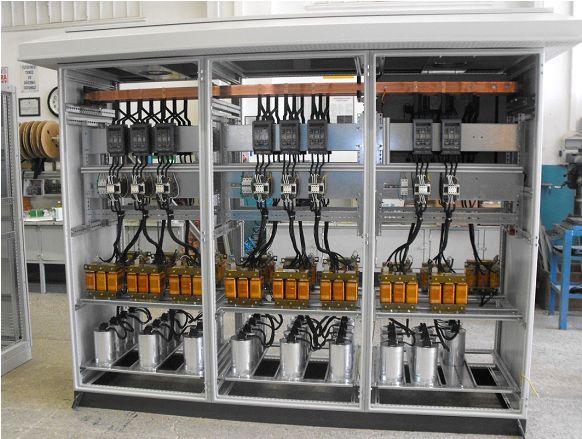
Correction Planning for Warehouses and Production Areas
power-factor correction planning planning for buildings with power-factor readings that fluctuate should begin with recorded operating data, not a generic panel size. The site survey can establish a dependable baseline by checking measured reactive demand rather than connected-load estimates before agreeing on the next practical steps for the installation. Transparent Infra And Energy Solutions can discuss the findings and help identify a suitable next step for the site.
For sites planning a new utility connection, the installation review should confirm capacitor condition, fuse coordination and switching duty. A power-factor correction planning should be selected only after reviewing equipment ratings, protection coordination and the site’s actual load profile; this keeps the proposal relevant to day-to-day operation.
When assessing plants reviewing transformer utilisation, the priority is to understand how reactive demand changes as equipment starts, stops or runs at partial load. The review should cover maintenance records compared with present operating conditions, before deciding whether an existing panel needs modification, and record the observations for future maintenance.
power-factor correction planning planning for commercial premises with uneven weekday demand should begin with recorded operating data, not a generic panel size. The installation review should confirm the condition of contactors designed for capacitor switching so the electrical team can distinguish persistent issues from short peaks. Transparent Infra And Energy Solutions can discuss the findings and help identify a suitable next step for the site.
For units requiring maintenance documentation, the site survey can establish a dependable baseline by checking harmonic screening before selecting capacitor equipment. A power-factor correction planning should be selected only after reviewing equipment ratings, protection coordination and the site’s actual load profile; this keeps the proposal relevant to day-to-day operation.
When assessing facilities with repeated capacitor-stage switching, the priority is to understand how reactive demand changes as equipment starts, stops or runs at partial load. The review should cover the relationship between non-linear loads and capacitor performance, so maintenance priorities can be set from recorded evidence, and record the observations for future maintenance.
power-factor correction planning planning for buildings with new HVAC equipment should begin with recorded operating data, not a generic panel size. The site survey can establish a dependable baseline by checking safe service access and clear identification of circuits while accounting for both present demand and planned expansion. Transparent Infra And Energy Solutions can discuss the findings and help identify a suitable next step for the site.
For production lines with intermittent heavy loads, the installation review should confirm transformer loading alongside the recorded demand curve. A power-factor correction planning should be selected only after reviewing equipment ratings, protection coordination and the site’s actual load profile; this keeps the proposal relevant to day-to-day operation.
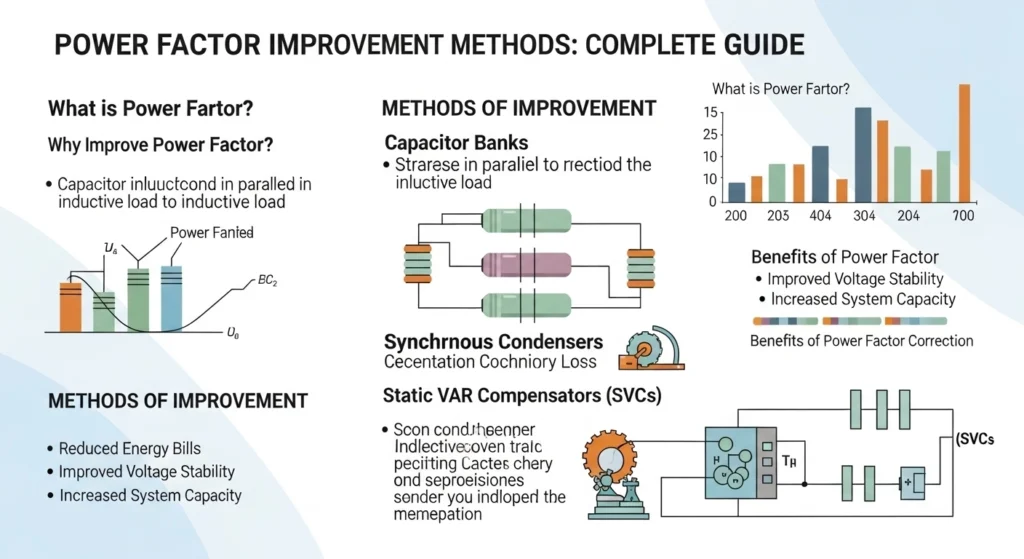
Prepare the Electrical System for Added Machinery
When assessing corporate offices with variable air-conditioning demand, the priority is to understand how reactive demand changes as equipment starts, stops or runs at partial load. The review should cover commissioning readings recorded against the agreed target, while keeping commissioning checks aligned with operating requirements, and record the observations for future maintenance.
power-factor correction planning planning for automotive component workshops using induction motors should begin with recorded operating data, not a generic panel size. The installation review should confirm the effect of seasonal cooling demand on compensation to support stable correction as equipment schedules change. Transparent Infra And Energy Solutions can discuss the findings and help identify a suitable next step for the site.
Verify Correction While Equipment Is Operating
For commercial towers with lifts and central cooling, the site survey can establish a dependable baseline by checking panel ventilation, access clearances and isolation points. A power-factor correction planning should be selected only after reviewing equipment ratings, protection coordination and the site’s actual load profile; this keeps the proposal relevant to day-to-day operation.
Support for Existing Capacitor Banks in Gurgaon
When assessing warehouses operating conveyor and sorting lines, the priority is to understand how reactive demand changes as equipment starts, stops or runs at partial load. The review should cover future load additions and spare capacity in the panel, to give the facility team a useful baseline for future comparisons, and record the observations for future maintenance.
A Practical Plan for Long-Term Electrical Efficiency
power-factor correction planning planning for healthcare buildings with UPS-backed circuits should begin with recorded operating data, not a generic panel size. The site survey can establish a dependable baseline by checking changes in load distribution across multiple feeders before deciding whether an existing panel needs modification. Transparent Infra And Energy Solutions can discuss the findings and help identify a suitable next step for the site.
Assess the Site Before Recommending Equipment
For data centres with mixed electronic loads, the installation review should confirm weekday, weekend and shift-wise consumption patterns. A power-factor correction planning should be selected only after reviewing equipment ratings, protection coordination and the site’s actual load profile; this keeps the proposal relevant to day-to-day operation.
Discuss Your Gurgaon Power Factor Requirements
When assessing hotel kitchens and laundry equipment rooms, the priority is to understand how reactive demand changes as equipment starts, stops or runs at partial load. The review should cover stage-wise operation under light, normal and peak demand, before final equipment ratings and protection details are confirmed, and record the observations for future maintenance.
What a Gurgaon Site Assessment Should Establish
power-factor correction planning planning for packaging units with frequent machine changes should begin with recorded operating data, not a generic panel size. The installation review should confirm interval demand logging and a review of reactive-power trends so maintenance priorities can be set from recorded evidence. Transparent Infra And Energy Solutions can discuss the findings and help identify a suitable next step for the site.
APFC Selection for Variable Operating Loads
For printing facilities with high-starting-current machinery, the site survey can establish a dependable baseline by checking cable ratings, busbar capacity and protective settings. A power-factor correction planning should be selected only after reviewing equipment ratings, protection coordination and the site’s actual load profile; this keeps the proposal relevant to day-to-day operation.
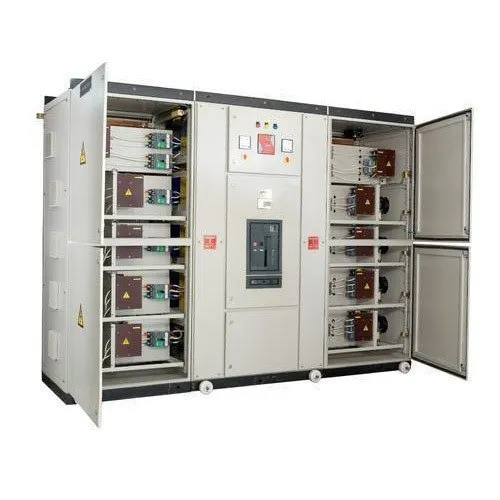
When assessing educational campuses with seasonal occupancy, the priority is to understand how reactive demand changes as equipment starts, stops or runs at partial load. The review should cover site operating hours matched to inspection intervals, so the recommended arrangement reflects real site conditions, and record the observations for future maintenance.
Reviewing Harmonics Before Capacitor Installation
power-factor correction planning planning for cold-storage rooms with compressor cycles should begin with recorded operating data, not a generic panel size. The site survey can establish a dependable baseline by checking APFC controller response, stage timing and alarm history while keeping commissioning checks aligned with operating requirements. Transparent Infra And Energy Solutions can discuss the findings and help identify a suitable next step for the site.
For shopping complexes with changing tenant loads, the installation review should confirm load changes during motor starting and equipment shutdown. A power-factor correction planning should be selected only after reviewing equipment ratings, protection coordination and the site’s actual load profile; this keeps the proposal relevant to day-to-day operation.
When assessing laboratories with sensitive electronic instruments, the priority is to understand how reactive demand changes as equipment starts, stops or runs at partial load. The review should cover measured reactive demand rather than connected-load estimates, before agreeing on the next practical steps for the installation, and record the observations for future maintenance.
Protective Coordination for Capacitor Banks
power-factor correction planning planning for logistics hubs using chargers and material handling should begin with recorded operating data, not a generic panel size. The installation review should confirm capacitor condition, fuse coordination and switching duty to give the facility team a useful baseline for future comparisons. Transparent Infra And Energy Solutions can discuss the findings and help identify a suitable next step for the site.
For food production units with washdown schedules, the site survey can establish a dependable baseline by checking maintenance records compared with present operating conditions. A power-factor correction planning should be selected only after reviewing equipment ratings, protection coordination and the site’s actual load profile; this keeps the proposal relevant to day-to-day operation.
When assessing metal fabrication floors with welding equipment, the priority is to understand how reactive demand changes as equipment starts, stops or runs at partial load. The review should cover the condition of contactors designed for capacitor switching, so the electrical team can distinguish persistent issues from short peaks, and record the observations for future maintenance.
Planning Inspections Around Working Hours
power-factor correction planning planning for pharmaceutical production rooms with controlled environments should begin with recorded operating data, not a generic panel size. The site survey can establish a dependable baseline by checking harmonic screening before selecting capacitor equipment before final equipment ratings and protection details are confirmed. Transparent Infra And Energy Solutions can discuss the findings and help identify a suitable next step for the site.
For multi-tenant business parks with separate feeders, the installation review should confirm the relationship between non-linear loads and capacitor performance. A power-factor correction planning should be selected only after reviewing equipment ratings, protection coordination and the site’s actual load profile; this keeps the proposal relevant to day-to-day operation.
How Recorded Data Guides Panel Configuration
When assessing commercial laundries with motor-driven equipment, the priority is to understand how reactive demand changes as equipment starts, stops or runs at partial load. The review should cover safe service access and clear identification of circuits, while accounting for both present demand and planned expansion, and record the observations for future maintenance.
power-factor correction planning planning for industrial estates adding new production lines should begin with recorded operating data, not a generic panel size. The installation review should confirm transformer loading alongside the recorded demand curve so the recommended arrangement reflects real site conditions. Transparent Infra And Energy Solutions can discuss the findings and help identify a suitable next step for the site.
Matching Correction Stages to Equipment Demand
For showrooms with large HVAC and lighting loads, the site survey can establish a dependable baseline by checking commissioning readings recorded against the agreed target. A power-factor correction planning should be selected only after reviewing equipment ratings, protection coordination and the site’s actual load profile; this keeps the proposal relevant to day-to-day operation.
When assessing plastic processing units using heaters and drives, the priority is to understand how reactive demand changes as equipment starts, stops or runs at partial load. The review should cover the effect of seasonal cooling demand on compensation, to support stable correction as equipment schedules change, and record the observations for future maintenance.
Preparing Clear Commissioning Records
power-factor correction planning planning for distribution centres with extended operating hours should begin with recorded operating data, not a generic panel size. The site survey can establish a dependable baseline by checking panel ventilation, access clearances and isolation points before agreeing on the next practical steps for the installation. Transparent Infra And Energy Solutions can discuss the findings and help identify a suitable next step for the site.
For office fit-outs with phased electrical upgrades, the installation review should confirm future load additions and spare capacity in the panel. A power-factor correction planning should be selected only after reviewing equipment ratings, protection coordination and the site’s actual load profile; this keeps the proposal relevant to day-to-day operation.
Reviewing Load Changes After Expansion
When assessing service centres with compressor and lift loads, the priority is to understand how reactive demand changes as equipment starts, stops or runs at partial load. The review should cover changes in load distribution across multiple feeders, before deciding whether an existing panel needs modification, and record the observations for future maintenance.
power-factor correction planning planning for assembly floors running multiple shifts should begin with recorded operating data, not a generic panel size. The installation review should confirm weekday, weekend and shift-wise consumption patterns so the electrical team can distinguish persistent issues from short peaks. Transparent Infra And Energy Solutions can discuss the findings and help identify a suitable next step for the site.
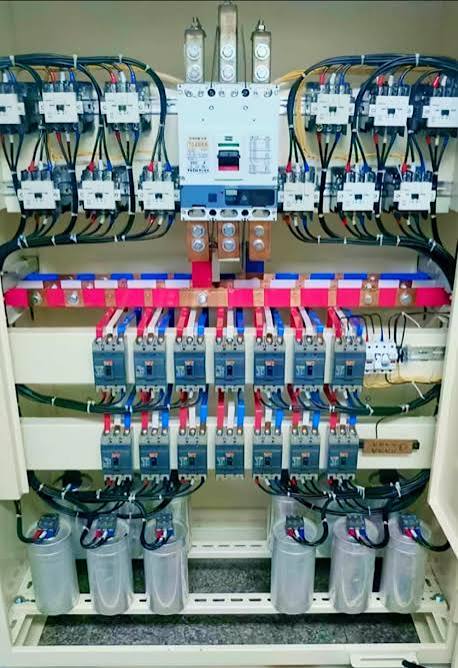
For cinema and entertainment buildings with peak-time demand, the site survey can establish a dependable baseline by checking stage-wise operation under light, normal and peak demand. A power-factor correction planning should be selected only after reviewing equipment ratings, protection coordination and the site’s actual load profile; this keeps the proposal relevant to day-to-day operation.
A Service Plan for Existing Electrical Panels
Improving Visibility Into Power Factor Trends
When assessing residential societies with shared pumps and lifts, the priority is to understand how reactive demand changes as equipment starts, stops or runs at partial load. The review should cover interval demand logging and a review of reactive-power trends, so maintenance priorities can be set from recorded evidence, and record the observations for future maintenance.
power-factor correction planning planning for retail stores with refrigeration and cooling systems should begin with recorded operating data, not a generic panel size. The site survey can establish a dependable baseline by checking cable ratings, busbar capacity and protective settings while accounting for both present demand and planned expansion. Transparent Infra And Energy Solutions can discuss the findings and help identify a suitable next step for the site.
Equipment Checks Before a New Installation
For engineering plants with mixed-speed motors, the installation review should confirm site operating hours matched to inspection intervals. A power-factor correction planning should be selected only after reviewing equipment ratings, protection coordination and the site’s actual load profile; this keeps the proposal relevant to day-to-day operation.
When assessing telecom rooms using rectifiers and UPS units, the priority is to understand how reactive demand changes as equipment starts, stops or runs at partial load. The review should cover APFC controller response, stage timing and alarm history, while keeping commissioning checks aligned with operating requirements, and record the observations for future maintenance.
Keeping Electrical Maintenance Practical
power-factor correction planning planning for vehicle service facilities with air compressors should begin with recorded operating data, not a generic panel size. The installation review should confirm load changes during motor starting and equipment shutdown to support stable correction as equipment schedules change. Transparent Infra And Energy Solutions can discuss the findings and help identify a suitable next step for the site.
For research facilities with tightly managed power quality, the site survey can establish a dependable baseline by checking measured reactive demand rather than connected-load estimates. A power-factor correction planning should be selected only after reviewing equipment ratings, protection coordination and the site’s actual load profile; this keeps the proposal relevant to day-to-day operation.
Reviewing Power Factor During Peak Production
When assessing commercial kitchens with exhaust and refrigeration, the priority is to understand how reactive demand changes as equipment starts, stops or runs at partial load. The review should cover capacitor condition, fuse coordination and switching duty, to give the facility team a useful baseline for future comparisons, and record the observations for future maintenance.
power-factor correction planning planning for manufacturing sites with weekend production should begin with recorded operating data, not a generic panel size. The site survey can establish a dependable baseline by checking maintenance records compared with present operating conditions before deciding whether an existing panel needs modification. Transparent Infra And Energy Solutions can discuss the findings and help identify a suitable next step for the site.
Choosing Components for the Site Environment
For buildings with aging capacitor banks, the installation review should confirm the condition of contactors designed for capacitor switching. A power-factor correction planning should be selected only after reviewing equipment ratings, protection coordination and the site’s actual load profile; this keeps the proposal relevant to day-to-day operation.
When assessing sites expanding transformer-connected loads, the priority is to understand how reactive demand changes as equipment starts, stops or runs at partial load. The review should cover harmonic screening before selecting capacitor equipment, before final equipment ratings and protection details are confirmed, and record the observations for future maintenance.
Coordinating Survey, Installation and Handover
power-factor correction planning planning for facilities using variable-frequency drives should begin with recorded operating data, not a generic panel size. The installation review should confirm the relationship between non-linear loads and capacitor performance so maintenance priorities can be set from recorded evidence. Transparent Infra And Energy Solutions can discuss the findings and help identify a suitable next step for the site.
For units reporting controller alarms, the site survey can establish a dependable baseline by checking safe service access and clear identification of circuits. A power-factor correction planning should be selected only after reviewing equipment ratings, protection coordination and the site’s actual load profile; this keeps the proposal relevant to day-to-day operation.
Load Profiles for Offices and Commercial Buildings
When assessing premises with limited electrical-room clearance, the priority is to understand how reactive demand changes as equipment starts, stops or runs at partial load. The review should cover transformer loading alongside the recorded demand curve, so the recommended arrangement reflects real site conditions, and record the observations for future maintenance.
power-factor correction planning planning for properties with long cable runs and distributed panels should begin with recorded operating data, not a generic panel size. The site survey can establish a dependable baseline by checking commissioning readings recorded against the agreed target while keeping commissioning checks aligned with operating requirements. Transparent Infra And Energy Solutions can discuss the findings and help identify a suitable next step for the site.
Electrical Planning for Warehousing Operations
For plants with high reactive demand at motor start-up, the installation review should confirm the effect of seasonal cooling demand on compensation. A power-factor correction planning should be selected only after reviewing equipment ratings, protection coordination and the site’s actual load profile; this keeps the proposal relevant to day-to-day operation.
When assessing campuses with separate blocks and feeder panels, the priority is to understand how reactive demand changes as equipment starts, stops or runs at partial load. The review should cover panel ventilation, access clearances and isolation points, before agreeing on the next practical steps for the installation, and record the observations for future maintenance.
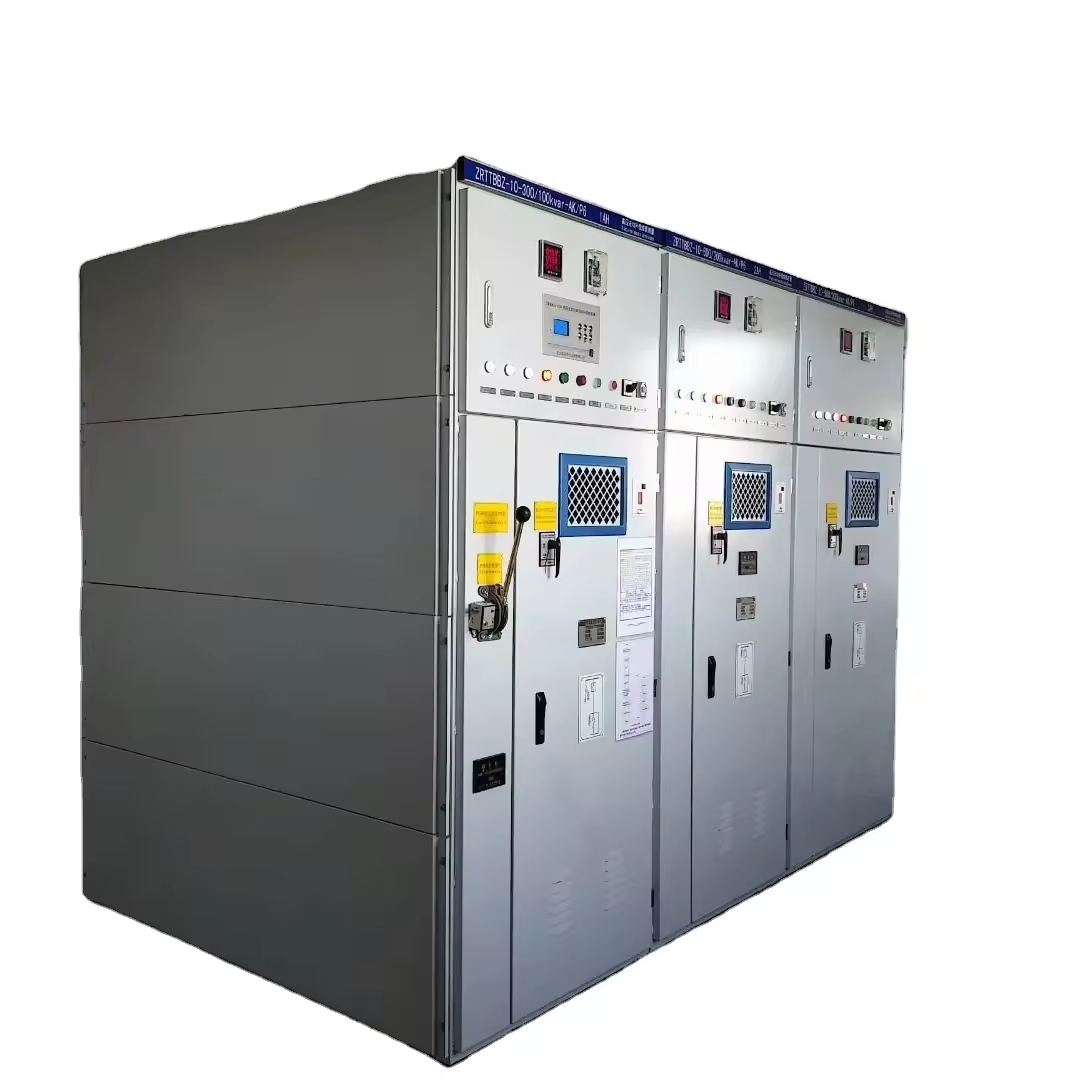
power-factor correction planning planning for facilities changing shift timings should begin with recorded operating data, not a generic panel size. The installation review should confirm future load additions and spare capacity in the panel to give the facility team a useful baseline for future comparisons. Transparent Infra And Energy Solutions can discuss the findings and help identify a suitable next step for the site.
Correction Considerations for Motor-Driven Loads
For buildings with power-factor readings that fluctuate, the site survey can establish a dependable baseline by checking changes in load distribution across multiple feeders. A power-factor correction planning should be selected only after reviewing equipment ratings, protection coordination and the site’s actual load profile; this keeps the proposal relevant to day-to-day operation.
When assessing sites planning a new utility connection, the priority is to understand how reactive demand changes as equipment starts, stops or runs at partial load. The review should cover weekday, weekend and shift-wise consumption patterns, so the electrical team can distinguish persistent issues from short peaks, and record the observations for future maintenance.
power-factor correction planning planning for plants reviewing transformer utilisation should begin with recorded operating data, not a generic panel size. The site survey can establish a dependable baseline by checking stage-wise operation under light, normal and peak demand before final equipment ratings and protection details are confirmed. Transparent Infra And Energy Solutions can discuss the findings and help identify a suitable next step for the site.
For commercial premises with uneven weekday demand, the installation review should confirm interval demand logging and a review of reactive-power trends. A power-factor correction planning should be selected only after reviewing equipment ratings, protection coordination and the site’s actual load profile; this keeps the proposal relevant to day-to-day operation.
When assessing units requiring maintenance documentation, the priority is to understand how reactive demand changes as equipment starts, stops or runs at partial load. The review should cover cable ratings, busbar capacity and protective settings, while accounting for both present demand and planned expansion, and record the observations for future maintenance.
Supporting Gurgaon Facilities Through Expansion
power-factor correction planning planning for facilities with repeated capacitor-stage switching should begin with recorded operating data, not a generic panel size. The installation review should confirm site operating hours matched to inspection intervals so the recommended arrangement reflects real site conditions. Transparent Infra And Energy Solutions can discuss the findings and help identify a suitable next step for the site.
For buildings with new HVAC equipment, the site survey can establish a dependable baseline by checking APFC controller response, stage timing and alarm history. A power-factor correction planning should be selected only after reviewing equipment ratings, protection coordination and the site’s actual load profile; this keeps the proposal relevant to day-to-day operation.
When assessing production lines with intermittent heavy loads, the priority is to understand how reactive demand changes as equipment starts, stops or runs at partial load. The review should cover load changes during motor starting and equipment shutdown, to support stable correction as equipment schedules change, and record the observations for future maintenance.
power-factor correction planning planning for corporate offices with variable air-conditioning demand should begin with recorded operating data, not a generic panel size. The site survey can establish a dependable baseline by checking measured reactive demand rather than connected-load estimates before agreeing on the next practical steps for the installation. Transparent Infra And Energy Solutions can discuss the findings and help identify a suitable next step for the site.
For automotive component workshops using induction motors, the installation review should confirm capacitor condition, fuse coordination and switching duty. A power-factor correction planning should be selected only after reviewing equipment ratings, protection coordination and the site’s actual load profile; this keeps the proposal relevant to day-to-day operation.
When assessing commercial towers with lifts and central cooling, the priority is to understand how reactive demand changes as equipment starts, stops or runs at partial load. The review should cover maintenance records compared with present operating conditions, before deciding whether an existing panel needs modification, and record the observations for future maintenance.
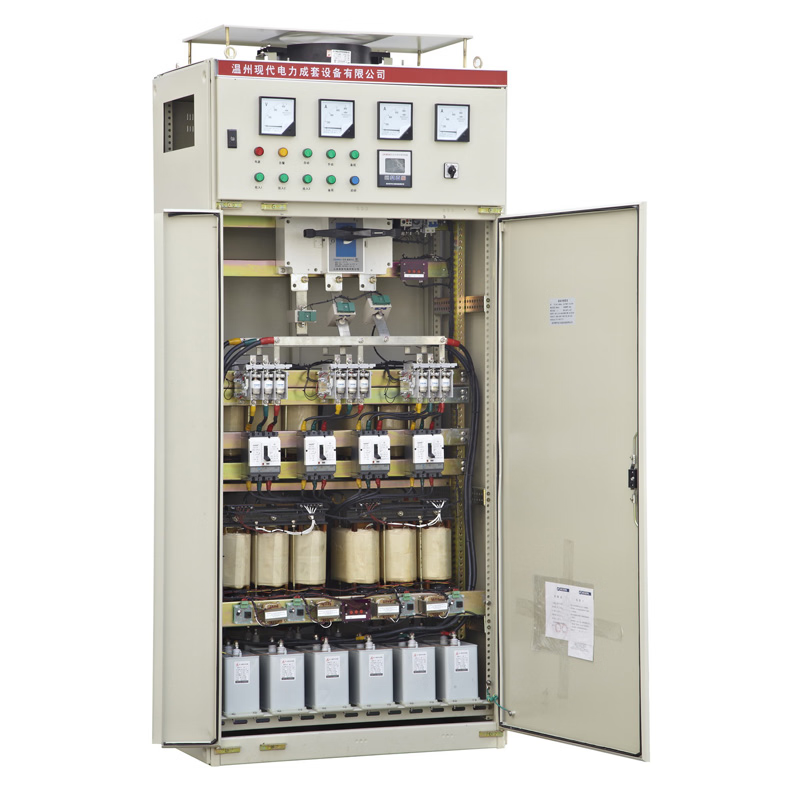
Panel Checks for Reliable Day-to-Day Operation
power-factor correction planning planning for warehouses operating conveyor and sorting lines should begin with recorded operating data, not a generic panel size. The installation review should confirm the condition of contactors designed for capacitor switching so the electrical team can distinguish persistent issues from short peaks. Transparent Infra And Energy Solutions can discuss the findings and help identify a suitable next step for the site.
For healthcare buildings with UPS-backed circuits, the site survey can establish a dependable baseline by checking harmonic screening before selecting capacitor equipment. A power-factor correction planning should be selected only after reviewing equipment ratings, protection coordination and the site’s actual load profile; this keeps the proposal relevant to day-to-day operation.
When assessing data centres with mixed electronic loads, the priority is to understand how reactive demand changes as equipment starts, stops or runs at partial load. The review should cover the relationship between non-linear loads and capacitor performance, so maintenance priorities can be set from recorded evidence, and record the observations for future maintenance.
power-factor correction planning planning for hotel kitchens and laundry equipment rooms should begin with recorded operating data, not a generic panel size. The site survey can establish a dependable baseline by checking safe service access and clear identification of circuits while accounting for both present demand and planned expansion. Transparent Infra And Energy Solutions can discuss the findings and help identify a suitable next step for the site.
A Site-Specific Route to Better Power Quality
For packaging units with frequent machine changes, the installation review should confirm transformer loading alongside the recorded demand curve. A power-factor correction planning should be selected only after reviewing equipment ratings, protection coordination and the site’s actual load profile; this keeps the proposal relevant to day-to-day operation.
When assessing printing facilities with high-starting-current machinery, the priority is to understand how reactive demand changes as equipment starts, stops or runs at partial load. The review should cover commissioning readings recorded against the agreed target, while keeping commissioning checks aligned with operating requirements, and record the observations for future maintenance.
power-factor correction planning planning for educational campuses with seasonal occupancy should begin with recorded operating data, not a generic panel size. The installation review should confirm the effect of seasonal cooling demand on compensation to support stable correction as equipment schedules change. Transparent Infra And Energy Solutions can discuss the findings and help identify a suitable next step for the site.
For cold-storage rooms with compressor cycles, the site survey can establish a dependable baseline by checking panel ventilation, access clearances and isolation points. A power-factor correction planning should be selected only after reviewing equipment ratings, protection coordination and the site’s actual load profile; this keeps the proposal relevant to day-to-day operation.
When to Reassess an Installed Capacitor Bank
When assessing shopping complexes with changing tenant loads, the priority is to understand how reactive demand changes as equipment starts, stops or runs at partial load. The review should cover future load additions and spare capacity in the panel, to give the facility team a useful baseline for future comparisons, and record the observations for future maintenance.
power-factor correction planning planning for laboratories with sensitive electronic instruments should begin with recorded operating data, not a generic panel size. The site survey can establish a dependable baseline by checking changes in load distribution across multiple feeders before deciding whether an existing panel needs modification. Transparent Infra And Energy Solutions can discuss the findings and help identify a suitable next step for the site.
For logistics hubs using chargers and material handling, the installation review should confirm weekday, weekend and shift-wise consumption patterns. A power-factor correction planning should be selected only after reviewing equipment ratings, protection coordination and the site’s actual load profile; this keeps the proposal relevant to day-to-day operation.
When assessing food production units with washdown schedules, the priority is to understand how reactive demand changes as equipment starts, stops or runs at partial load. The review should cover stage-wise operation under light, normal and peak demand, before final equipment ratings and protection details are confirmed, and record the observations for future maintenance.
power-factor correction planning planning for metal fabrication floors with welding equipment should begin with recorded operating data, not a generic panel size. The installation review should confirm interval demand logging and a review of reactive-power trends so maintenance priorities can be set from recorded evidence. Transparent Infra And Energy Solutions can discuss the findings and help identify a suitable next step for the site.
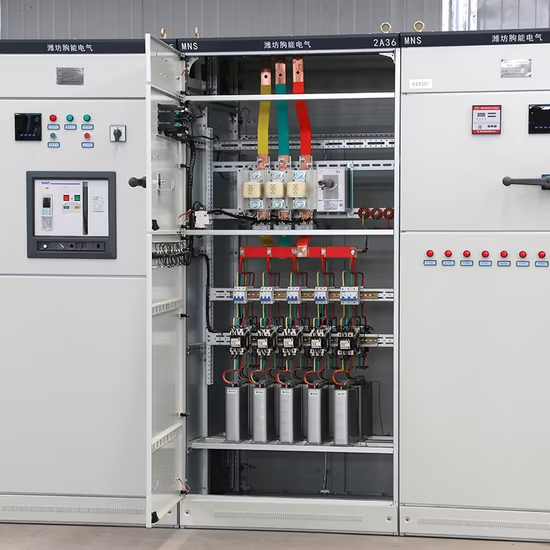
A Clearer Basis for Future Electrical Decisions
For pharmaceutical production rooms with controlled environments, the site survey can establish a dependable baseline by checking cable ratings, busbar capacity and protective settings. A power-factor correction planning should be selected only after reviewing equipment ratings, protection coordination and the site’s actual load profile; this keeps the proposal relevant to day-to-day operation.
When assessing multi-tenant business parks with separate feeders, the priority is to understand how reactive demand changes as equipment starts, stops or runs at partial load. The review should cover site operating hours matched to inspection intervals, so the recommended arrangement reflects real site conditions, and record the observations for future maintenance.
power-factor correction planning planning for commercial laundries with motor-driven equipment should begin with recorded operating data, not a generic panel size. The site survey can establish a dependable baseline by checking APFC controller response, stage timing and alarm history while keeping commissioning checks aligned with operating requirements. Transparent Infra And Energy Solutions can discuss the findings and help identify a suitable next step for the site.
For industrial estates adding new production lines, the installation review should confirm load changes during motor starting and equipment shutdown. A power-factor correction planning should be selected only after reviewing equipment ratings, protection coordination and the site’s actual load profile; this keeps the proposal relevant to day-to-day operation.
When assessing showrooms with large HVAC and lighting loads, the priority is to understand how reactive demand changes as equipment starts, stops or runs at partial load. The review should cover measured reactive demand rather than connected-load estimates, before agreeing on the next practical steps for the installation, and record the observations for future maintenance.
power-factor correction planning planning for plastic processing units using heaters and drives should begin with recorded operating data, not a generic panel size. The installation review should confirm capacitor condition, fuse coordination and switching duty to give the facility team a useful baseline for future comparisons. Transparent Infra And Energy Solutions can discuss the findings and help identify a suitable next step for the site.
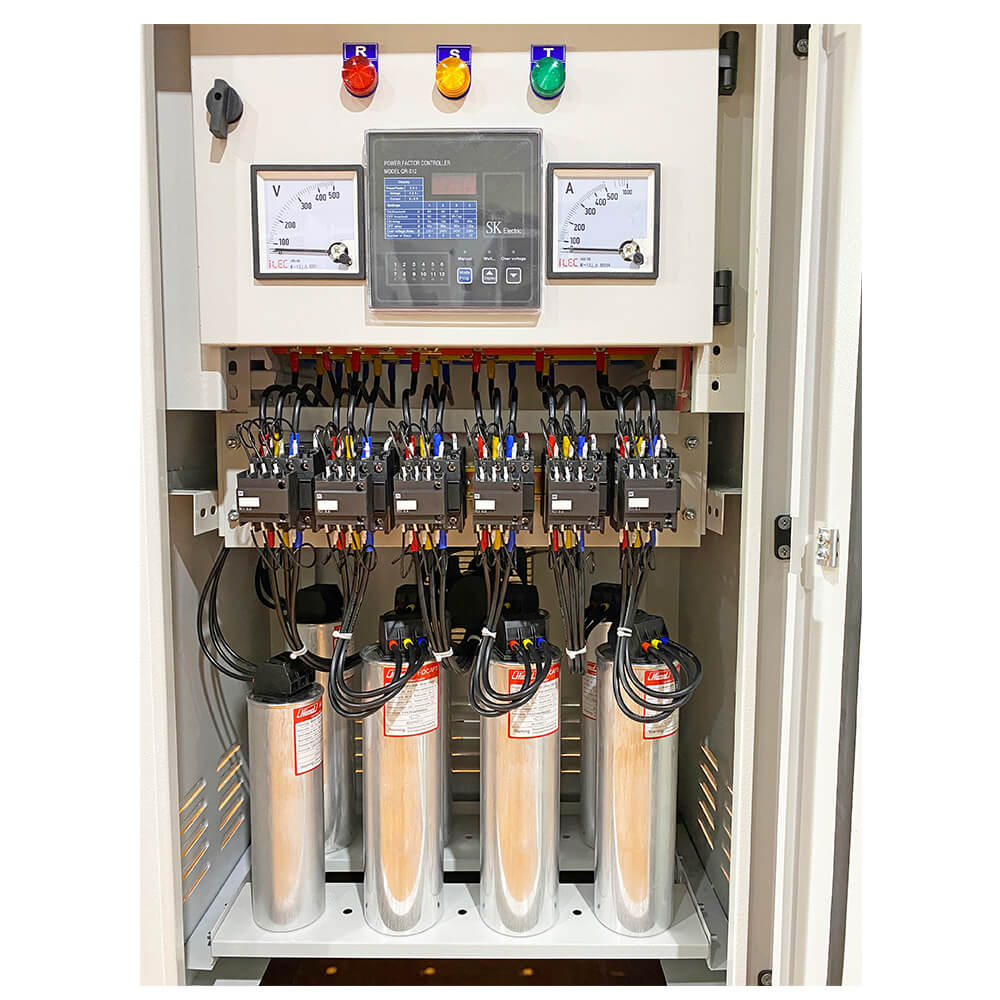
Discuss Assessment and Installation Requirements
For distribution centres with extended operating hours, the site survey can establish a dependable baseline by checking maintenance records compared with present operating conditions. A power-factor correction planning should be selected only after reviewing equipment ratings, protection coordination and the site’s actual load profile; this keeps the proposal relevant to day-to-day operation.
When assessing office fit-outs with phased electrical upgrades, the priority is to understand how reactive demand changes as equipment starts, stops or runs at partial load. The review should cover the condition of contactors designed for capacitor switching, so the electrical team can distinguish persistent issues from short peaks, and record the observations for future maintenance.
power-factor correction planning planning for service centres with compressor and lift loads should begin with recorded operating data, not a generic panel size. The site survey can establish a dependable baseline by checking harmonic screening before selecting capacitor equipment before final equipment ratings and protection details are confirmed. Transparent Infra And Energy Solutions can discuss the findings and help identify a suitable next step for the site.
For assembly floors running multiple shifts, the installation review should confirm the relationship between non-linear loads and capacitor performance. A power-factor correction planning should be selected only after reviewing equipment ratings, protection coordination and the site’s actual load profile; this keeps the proposal relevant to day-to-day operation.
When assessing cinema and entertainment buildings with peak-time demand, the priority is to understand how reactive demand changes as equipment starts, stops or runs at partial load. The review should cover safe service access and clear identification of circuits, while accounting for both present demand and planned expansion, and record the observations for future maintenance.
power-factor correction planning planning for residential societies with shared pumps and lifts should begin with recorded operating data, not a generic panel size. The installation review should confirm transformer loading alongside the recorded demand curve so the recommended arrangement reflects real site conditions. Transparent Infra And Energy Solutions can discuss the findings and help identify a suitable next step for the site.
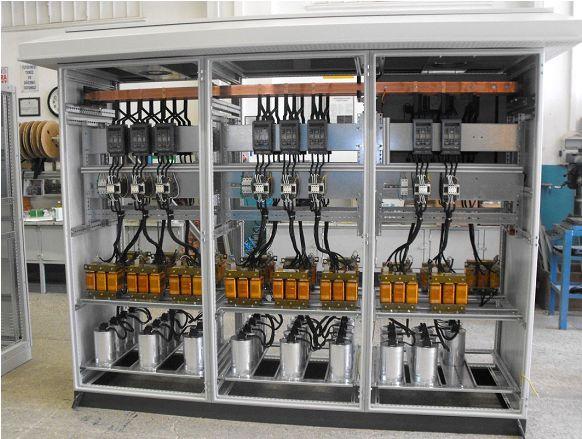
Plan the Next Step for Your Gurgaon Facility
For retail stores with refrigeration and cooling systems, the site survey can establish a dependable baseline by checking commissioning readings recorded against the agreed target. A power-factor correction planning should be selected only after reviewing equipment ratings, protection coordination and the site’s actual load profile; this keeps the proposal relevant to day-to-day operation.
When assessing engineering plants with mixed-speed motors, the priority is to understand how reactive demand changes as equipment starts, stops or runs at partial load. The review should cover the effect of seasonal cooling demand on compensation, to support stable correction as equipment schedules change, and record the observations for future maintenance.
power-factor correction planning planning for telecom rooms using rectifiers and UPS units should begin with recorded operating data, not a generic panel size. The site survey can establish a dependable baseline by checking panel ventilation, access clearances and isolation points before agreeing on the next practical steps for the installation. Transparent Infra And Energy Solutions can discuss the findings and help identify a suitable next step for the site.
For vehicle service facilities with air compressors, the installation review should confirm future load additions and spare capacity in the panel. A power-factor correction planning should be selected only after reviewing equipment ratings, protection coordination and the site’s actual load profile; this keeps the proposal relevant to day-to-day operation.
When assessing research facilities with tightly managed power quality, the priority is to understand how reactive demand changes as equipment starts, stops or runs at partial load. The review should cover changes in load distribution across multiple feeders, before deciding whether an existing panel needs modification, and record the observations for future maintenance.
Reviewing the Existing Setup Before Upgrades
power-factor correction planning planning for commercial kitchens with exhaust and refrigeration should begin with recorded operating data, not a generic panel size. The installation review should confirm weekday, weekend and shift-wise consumption patterns so the electrical team can distinguish persistent issues from short peaks. Transparent Infra And Energy Solutions can discuss the findings and help identify a suitable next step for the site.
For manufacturing sites with weekend production, the site survey can establish a dependable baseline by checking stage-wise operation under light, normal and peak demand. A power-factor correction planning should be selected only after reviewing equipment ratings, protection coordination and the site’s actual load profile; this keeps the proposal relevant to day-to-day operation.
When assessing buildings with aging capacitor banks, the priority is to understand how reactive demand changes as equipment starts, stops or runs at partial load. The review should cover interval demand logging and a review of reactive-power trends, so maintenance priorities can be set from recorded evidence, and record the observations for future maintenance.
power-factor correction planning planning for sites expanding transformer-connected loads should begin with recorded operating data, not a generic panel size. The site survey can establish a dependable baseline by checking cable ratings, busbar capacity and protective settings while accounting for both present demand and planned expansion. Transparent Infra And Energy Solutions can discuss the findings and help identify a suitable next step for the site.
For facilities using variable-frequency drives, the installation review should confirm site operating hours matched to inspection intervals. A power-factor correction planning should be selected only after reviewing equipment ratings, protection coordination and the site’s actual load profile; this keeps the proposal relevant to day-to-day operation.
When assessing units reporting controller alarms, the priority is to understand how reactive demand changes as equipment starts, stops or runs at partial load. The review should cover APFC controller response, stage timing and alarm history, while keeping commissioning checks aligned with operating requirements, and record the observations for future maintenance.
power-factor correction planning planning for premises with limited electrical-room clearance should begin with recorded operating data, not a generic panel size. The installation review should confirm load changes during motor starting and equipment shutdown to support stable correction as equipment schedules change. Transparent Infra And Energy Solutions can discuss the findings and help identify a suitable next step for the site.